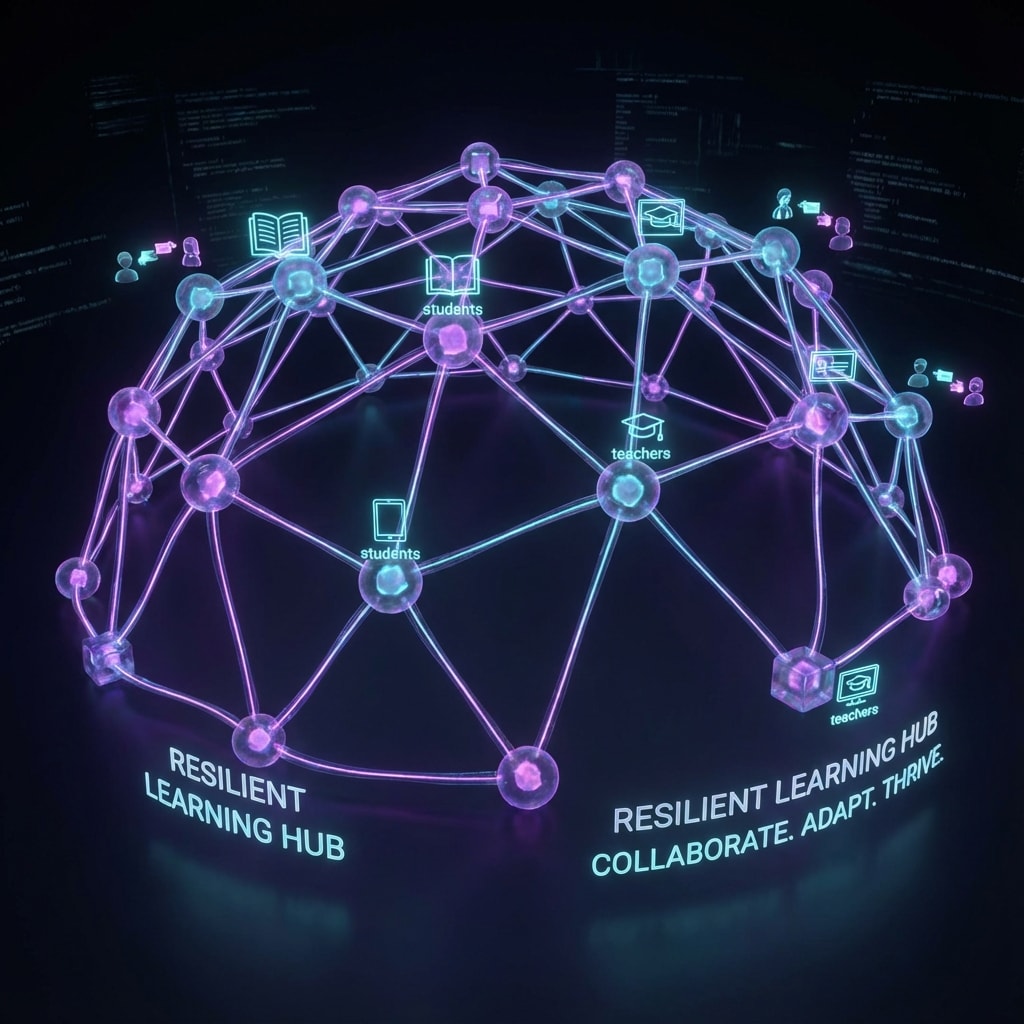
Building Blocks of Resilience
- Adaptability in learning models.
- Strong community relationships.
- Integrated mental health support.
Table of Contents
The New Normal is Adaptability
The global pandemic was a seismic shock to the education system. It exposed vulnerabilities but also revealed incredible strength. As we rebuild, the goal isn't to return to the status quo, but to build something better: resilient learning communities that can weather any storm.
Hybrid Models are Here to Stay
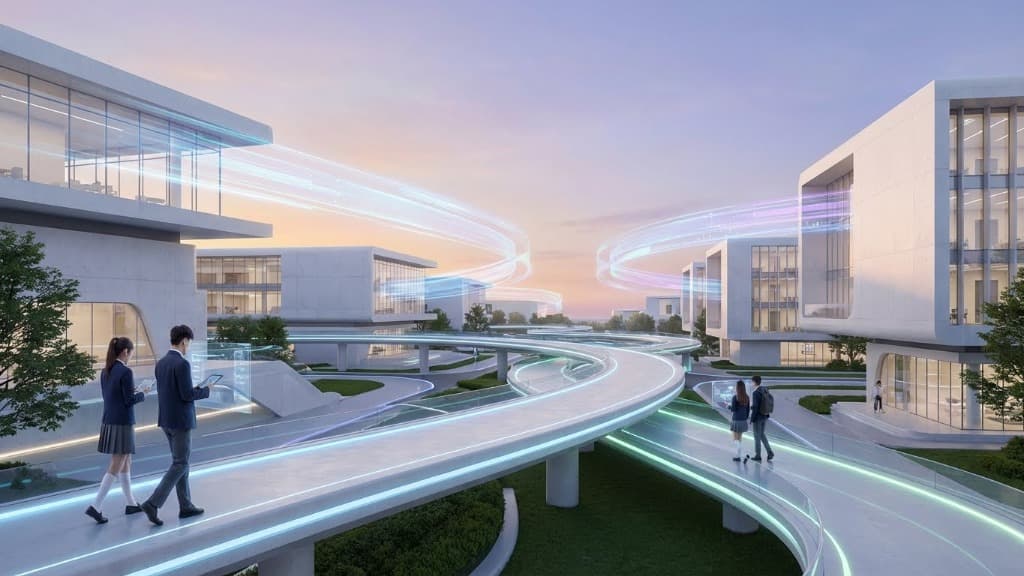
Resilience means flexibility. The rigid structures of the past—bells, blocks, and physical walls—are giving way to fluid, hybrid models. Technology is the backbone of this flexibility, allowing learning to happen anywhere, anytime. A resilient school can pivot from in-person to remote learning without missing a beat, ensuring continuity of education.
Community at the Core
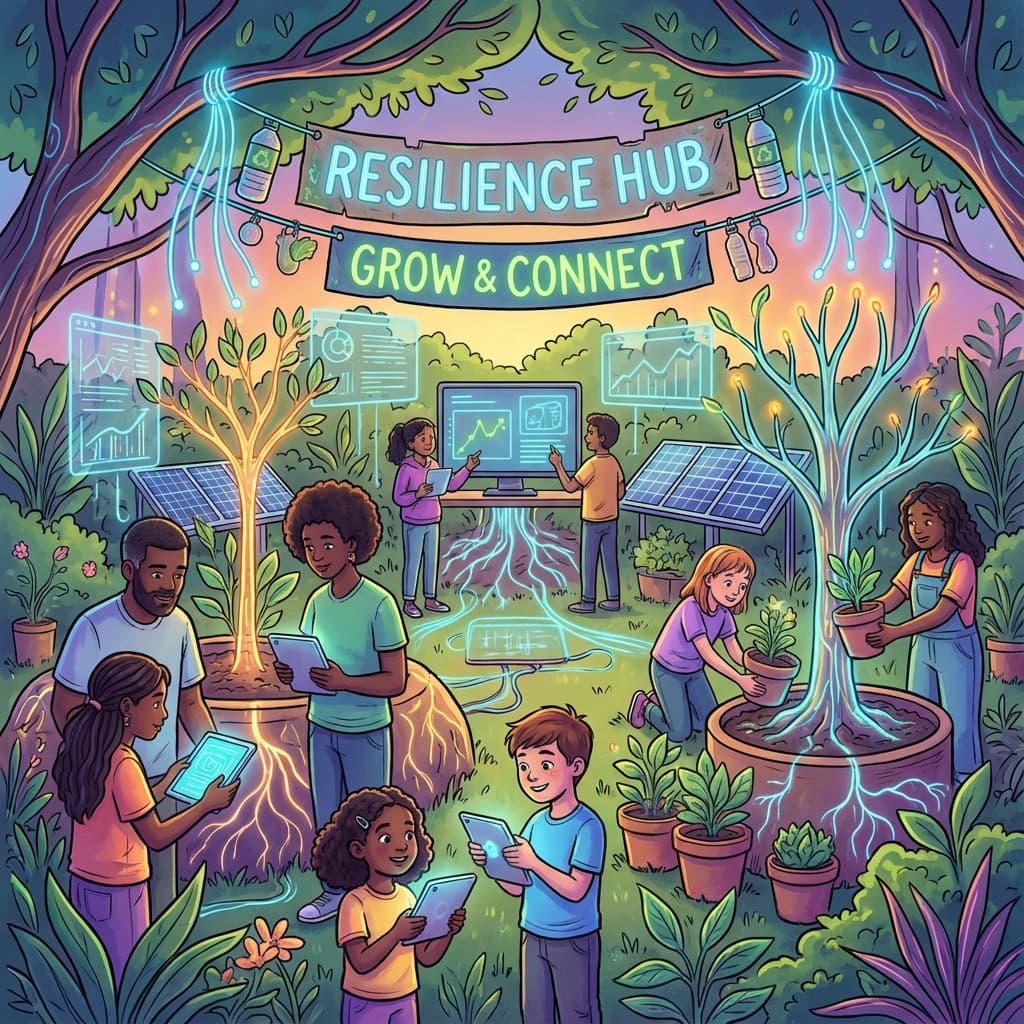
Resilience is built on relationships. Schools are more than just places of learning; they are community hubs. Strengthening the bonds between students, teachers, parents, and local organizations creates a safety net.
"A resilient community isn't one that never falls; it's one that knows how to rise together."
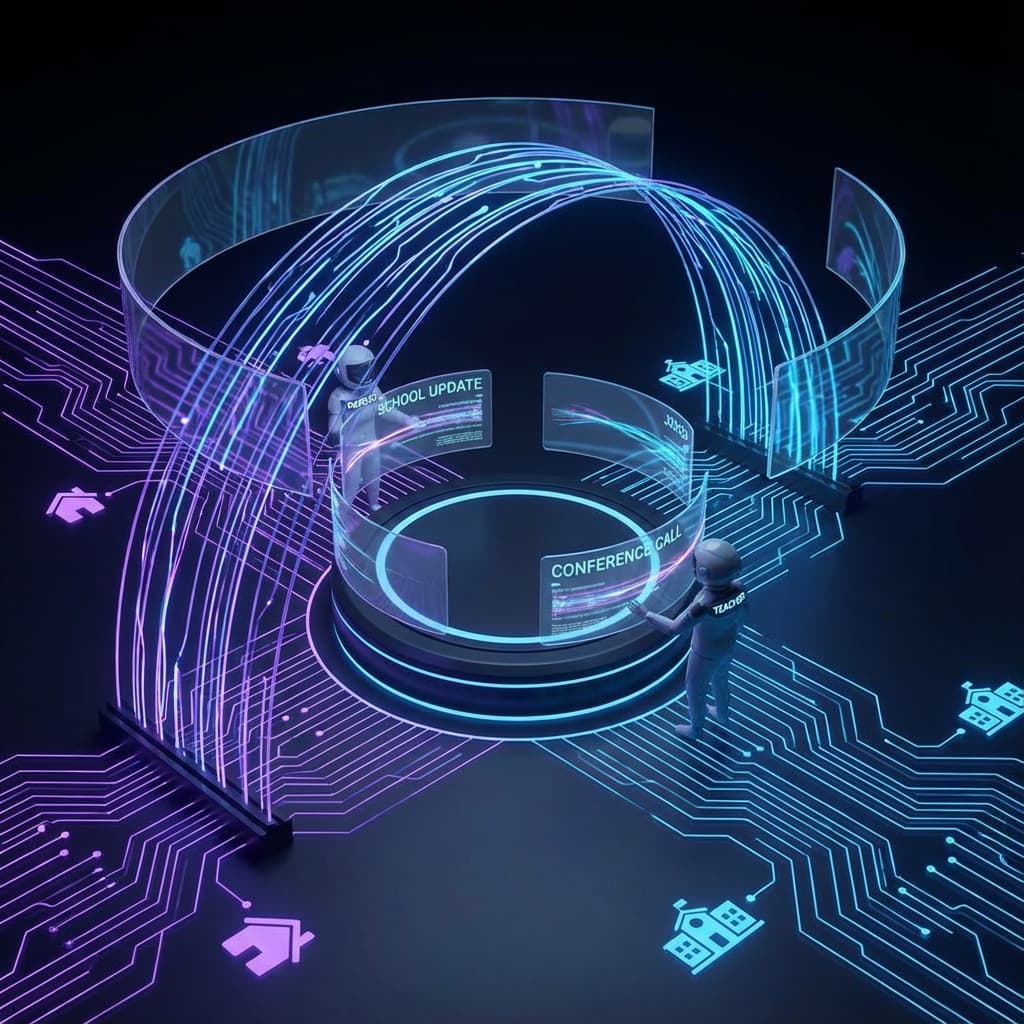
Digital platforms can facilitate these connections, creating virtual spaces for collaboration, mentorship, and support. Whether it's a virtual town hall or a digital mentorship program, technology bridges the physical gaps.
Prioritizing Mental Health
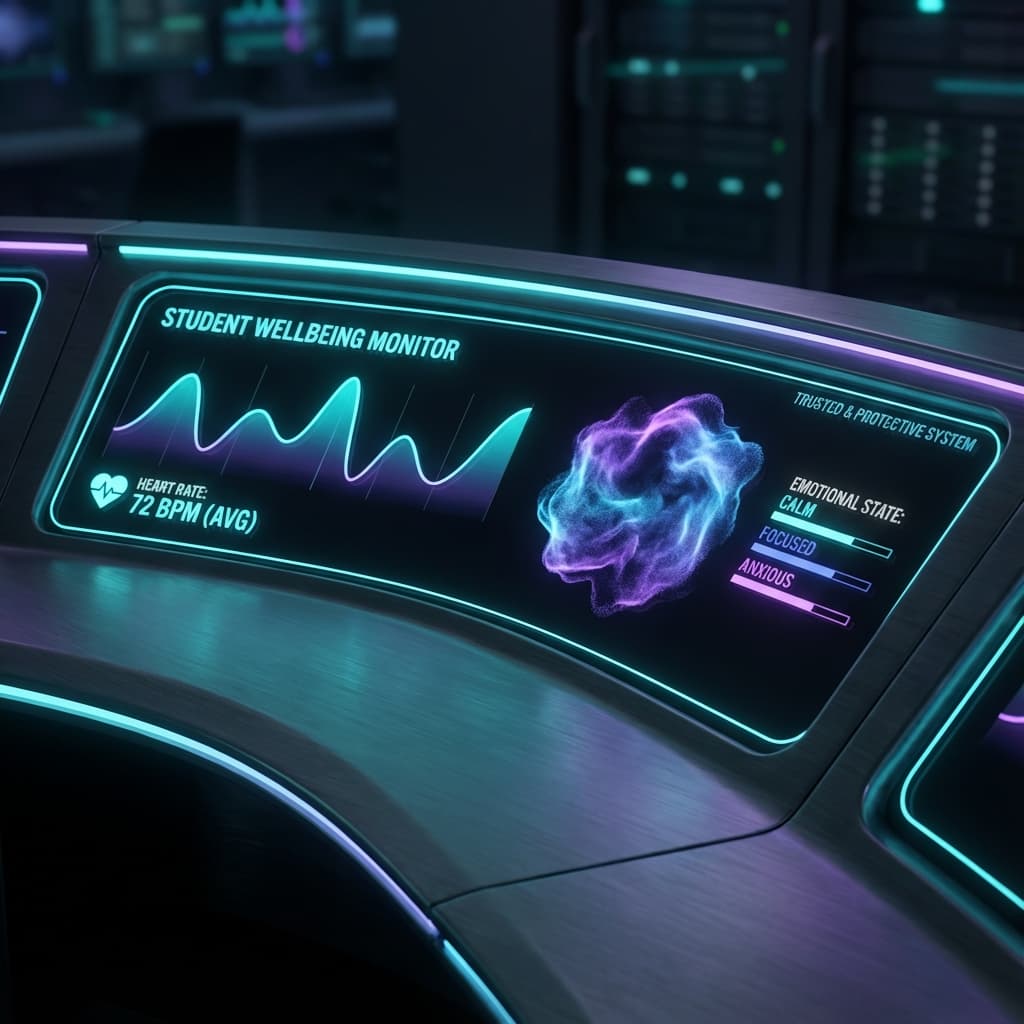
A resilient community is a healthy community. Integrating mental health support into the fabric of the school day is no longer optional. From mindfulness breaks to accessible counseling services, schools must prioritize the whole child. CatalystWells supports this by providing tools to track and support community wellbeing metrics.